
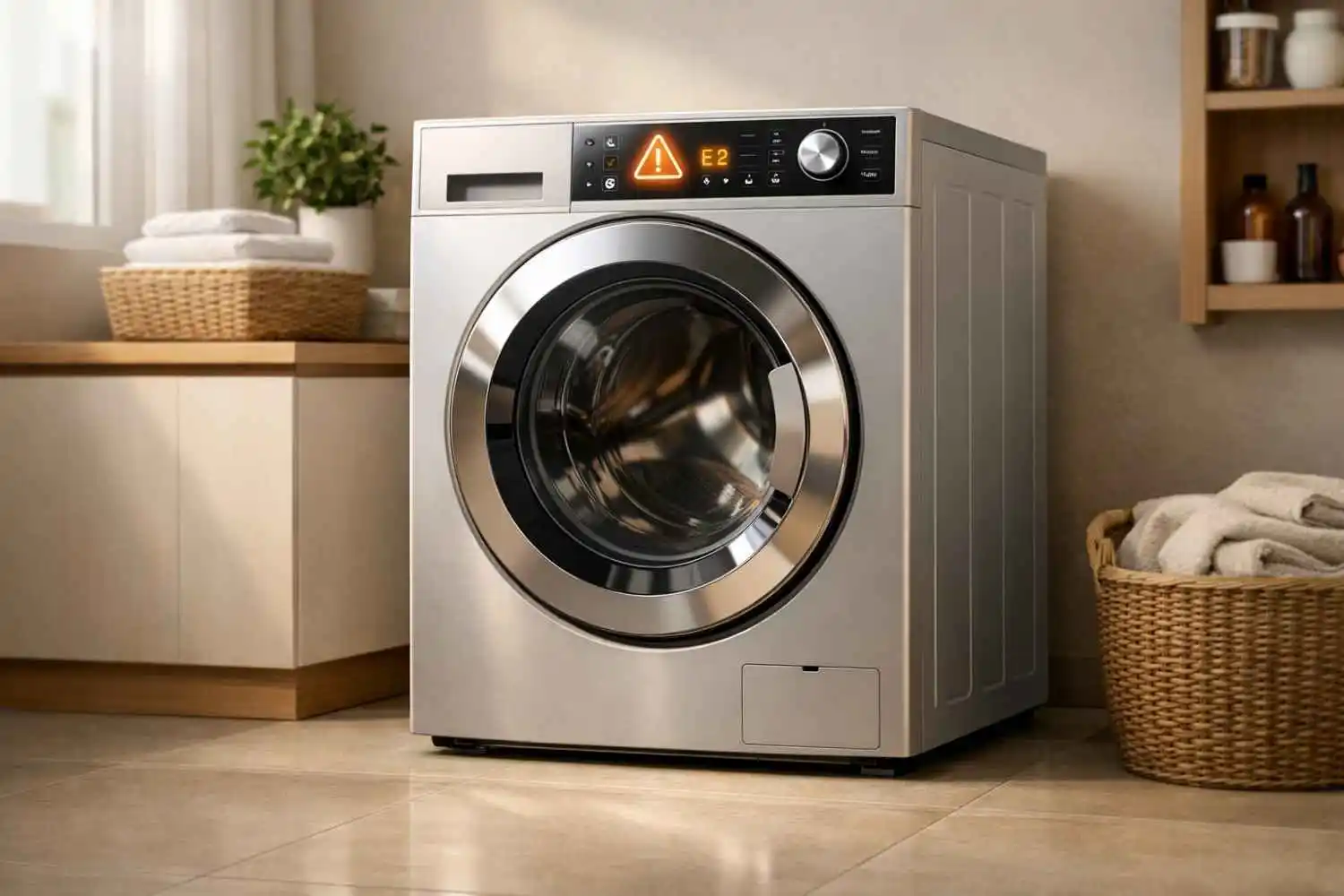
Common Error Codes in Front-Load Washing Machines
Modern front-load washing machines are smart. They don’t just wash clothes, they also “talk” to you using error codes when something goes wrong. These codes help you understand if there’s an issue with water, the door, drainage, or internal parts. This guide explains common error codes in front-load washing machines, what they mean, and what you can safely do next.
What Do Error Codes Mean in Front-Load Washing Machines?
Error codes in front-load washing machines are like short messages from the appliance’s brain (the control board). Instead of guessing what’s wrong, the machine shows a specific code on the display to point you toward the type of problem.
These codes usually tell you about:
● Water-related problems (inlet or drain)
● Door and lock issues
● Motor or spinning problems
● Temperature or heating faults
● Sensor or electronic control failures
They help you identify the area of the issue, even if you can’t see anything wrong from the outside.
You should take action when:
● The code appears repeatedly during a cycle
● The machine stops or refuses to start
● You hear unusual sounds along with an error
Sometimes, switching off and restarting the machine clears a temporary glitch. However, when error codes keep reappearing, your front-load washing machine is requesting attention and possibly professional assistance.
Common Front-Load Washing Machine Error Codes
Every brand uses its own specific code numbers or letters, but the categories of issues are usually similar. Let’s break down the most common error types you’ll see in front-load washing machines.
1. Water Inlet Error Codes
What they mean:
Water inlet errors indicate that the machine isn’t getting enough water or isn’t filling correctly. The display may show a symbol resembling a water tap, an “IE” type code, or a similar code, depending on the brand.
Common causes:
● The water tap is closed or partially open
● Low water pressure in your home
● Kinked or twisted inlet hose
● Blocked inlet filter or mesh inside the hose connection
● Faulty inlet valve (inside the machine)
If your machine struggles to fill or takes too long at the start of a wash, a water inlet error code will often appear.
2. Drainage Error Codes
What they mean:
Drainage error codes indicate that your washing machine can’t drain water properly. The drum may remain full of water, or the cycle might pause before the final spin.
Common causes:
● Blocked drain filter (often clogged with lint, coins, hair, or fabric threads)
● Clogged or frozen drain hose
● Drain hose placed incorrectly (too high or kinked)
● Blocked drain in your home’s outlet or floor trap
● Faulty drain pump inside the machine
When your front-load washing machine shows drainage error codes, always suspect a blocked drain pipe or filter first. It’s one of the simplest things you can safely check at home.
3. Door Lock Error Codes
What they mean:
Door lock error codes appear when the door isn’t closing, locking, or unlocking correctly. The machine won’t start or may stop mid-cycle if it thinks the door isn’t secure.
Common causes:
● Door not shut firmly
● Clothes stuck between the door and the gasket
● Damaged or worn door latch
● Faulty door lock mechanism or switch
● Control board not receiving the correct “door closed” signal
Since front-load washers lock the door during operation for safety, any problem with the lock shows up quickly. You’ll often need to fix this before you can run another wash.
4. Motor and Spin Error Codes
What they mean:
Motor or spin error codes relate to how smoothly the drum is rotating. They might appear when the machine can’t spin at the correct speed or detects too much vibration.
Common causes:
● Load imbalance (for example, one heavy blanket on one side of the drum)
● Overloading the drum with too many clothes
● Worn-out motor brushes (in some models)
● Faulty motor or drive components
● Issues with the belt (if your model uses one)
Sometimes, simply redistributing the clothes or reducing the load fixes the problem. However, repeated motor or spin error codes can point to deeper mechanical faults.
5. Heating Error Codes
What they mean:
Heating error codes indicate that the water isn’t heating as expected. The machine might continue washing with cold water or stop the cycle altogether.
Common causes:
● Faulty heating element
● Temperature sensor (thermistor) failure
● Wiring faults between the heater and the control board
● Build-up of limescale on the heating element (in hard water areas)
While you can’t safely open and inspect these parts on your own, knowing that the code is heat-related helps you describe the issue correctly to a technician.
6. Sensor and Control Board Error Codes
What they mean:
Sensor and control board error codes often refer to communication problems between different parts of the machine. In some cases, the display might show codes related to “communication error,” “PCB fault,” or generic system errors.
Common causes:
● Loose or damaged internal wiring
● Moisture or dust on internal electronic components
● Malfunctioning sensors (for water level, temperature, etc.)
● Faulty main control board (PCB)
These are usually not DIY-friendly issues. When sensor or control board errors appear repeatedly, it’s time to call a professional.
Common Causes of Front-Load Washing Machine Errors
Even though error codes can look scary, many of them come from a few everyday causes.
1. Water Supply Problems
If the water pressure is low, the tap is partially closed, or the inlet filter is clogged, your washing machine struggles to fill at the right speed. This often triggers water inlet or time-out errors.
2. Overloading or Uneven Load
Stuffing too many clothes into the drum can cause:
● Motor strain
● Poor spinning performance
● Load imbalance, especially during the spin cycle
This can bring up motor or spin-related error codes, and it also wears out the machine faster.
3. Power Fluctuations
Voltage drops, power cuts, and sudden surges can interrupt the internal electronics and cause random error codes or restarts. In areas with unstable electricity, this is a common reason for unexpected faults.
4. Lack of Regular Maintenance
Ignoring basic maintenance can slowly lead to frequent errors:
● Clogged drain filter
● Dirty inlet filter
● Buildup of detergent and fabric softener in the drawer
● Mold or dirt around the door gasket
Over time, these minor issues add up and trigger error codes related to draining, water levels, or door problems.
Basic Troubleshooting Steps for Error Codes
Before you panic or rush to call a technician, there are a few simple checks you can safely try when you see common error codes in front-load washing machines.
1. Resetting the Washing Machine
● Turn off the washing machine using the power button.
● Unplug it from the socket.
● Wait for 1–2 minutes.
● Plug it back in and turn it on.
A simple reset can clear minor software glitches or temporary sensor errors.
2. Checking the Water Inlet and Drain
For water inlet issues:
● Make sure the water tap is fully open.
● Check if the inlet hose is twisted or kinked.
● If possible, remove the hose and clean the small mesh filter inside the inlet.
For drainage errors:
● Inspect the drain hose for bends, clogs, or incorrect height.
● Check the floor drain or outlet where the hose empties.
If there’s standing water, clearing blockages can often solve the error.
3. Inspecting the Door and Gasket
● Open the door and remove any clothes trapped between the door and the rubber gasket.
● Clean the gasket and door area, especially if there’s lint, hair, or detergent residue.
● Close the door firmly until you hear a solid click.
If the error code still appears, the door lock mechanism may need professional attention.
4. Cleaning Filters
Most front-load washing machines have a drain filter at the bottom front (usually behind a small flap).
● Place a tray or towel under the filter area.
● Slowly open the filter cover.
● Let any trapped water drain out.
● Remove and clean the filter, clearing coins, lint, and debris.
● Reinsert it securely.
Regular filter cleaning can prevent many drainage-related error codes.
When to Call a Technician
Some problems look simple from the outside but involve complex internal parts inside your washing machine.
You should call a technician when:
● The same error code appears again and again, even after basic checks and resets.
● You see electrical, heating, or control board-related error codes.
● There’s visible water leakage from under or behind the machine.
● The machine stops mid-cycle and won’t respond properly.
Trying to open or repair internal components yourself can damage the appliance further or even create safety hazards. A trained service technician can test parts like the motor, heater, sensors, and control board properly.
How to Prevent Error Codes in Front-Load Washing Machines
Prevention is always better than repair, especially with large appliances.
1. Proper Loading Practices
● Don’t overload the drum; leave some space for clothes to move freely.
● Avoid washing one very heavy item alone (like a single heavy blanket). Add a few lighter items to balance the load.
● Follow the recommended load capacity mentioned in the user manual.
2. Regular Cleaning and Maintenance
● Clean the drain filter every few weeks.
● Wipe the door gasket and keep it dry after use to prevent mold.
● Run an empty “tub clean” or hot wash cycle with a cleaning agent as recommended.
● Check and clean the detergent drawer regularly.
These steps reduce the chances of blockages, odors, and sensor-related errors.
3. Using the Right Detergent
Front-load washing machines usually require low-foam or HE (high-efficiency) detergent. Using the wrong type or too much detergent can create excessive suds, causing:
● Poor rinsing
● Sensor confusion
● Drainage issues and error codes
Stick to the recommended detergent quantity and type mentioned for your machine.
Error Codes vs Warning Messages
Not everything that flashes on your front-load washing machine display is a serious error.
Warning messages might include:
● “Door open” notification
● “Add garment” prompt
● Child lock symbol
● End-of-cycle indicators
These are usually temporary and disappear when you fix the condition (close the door, change a setting, etc.).
Error codes, on the other hand, usually:
● Interrupt or stop the wash cycle
● Refuse to start until the issue is resolved
● Indicate a fault that needs attention
Understanding the difference helps you avoid panic when you see a simple reminder versus a real problem.
Are Error Codes the Same Across All Brands?
No, error codes are not identical across all brands. While the types of problems (like water, drain, or door faults) are similar, each brand has its own coding system.
That’s why:
● A code like “E1” on one brand might mean water inlet error
● The same “E1” on another brand could refer to drainage or something else
Because of this, it’s important to:
● Keep your user manual handy
● Check the brand’s website or support section for your model
● Refer to the specific list of codes for your machine
If you’re new to front-load models, you can also learn the basics from guides like What is a front-load washing machine so you understand how these machines work differently from top-loaders.
Conclusion
Common error codes in front-load washing machines are nothing to fear. They’re simply the machine’s way of telling you where to look when something goes wrong. By understanding the basic categories—water inlet, drainage, door lock, motor and spin, heating, and control board issues—you can make smarter decisions about what to do next.
Timely troubleshooting prevents small issues from turning into major repairs. Simple steps like checking hoses, cleaning filters, balancing loads, and using the right detergent go a long way toward keeping your front-load washing machine healthy. And when things move beyond basic checks, calling a qualified technician is the safest way to protect both your appliance and your peace of mind.
If you’re planning to upgrade or replace your washing machine, you can explore modern and efficient options. For those who specifically prefer a front-load washing machine, you’ll find models designed to reduce errors, save water, and deliver better wash performance.
FAQs on Common Error Codes in Front-Load Washing Machines
The most common error codes in front-load washing machines usually relate to:
● Water inlet (no or low water)
● Drainage (water not draining)
● Door lock (door not closing or locking)
● Motor or spin (imbalance or speed issues)
The exact code names differ by brand, but the underlying problems are usually similar.
A water inlet error code means the machine isn’t receiving enough water within the expected time. This could be due to:
● Closed or partially open tap
● Low water pressure
● Kinked inlet hose
● Blocked inlet filter or a faulty inlet valve
Check the tap, hose, and filter first. If everything looks fine and the error still shows, a technician may need to inspect the internal parts.
Your front-load washing machine shows a drainage error when it struggles to pump water out. Common reasons include:
● Blocked drain filter
● Clogged or bent drain hose
● Clogged floor drain or outlet
● Faulty drain pump
Cleaning the filter and checking the hose often solves the problem, but repeated errors may need professional diagnosis.
To reset many common error codes in front-load washing machines:
1. Turn off the machine.
2. Unplug it from the power socket.
3. Wait 1–2 minutes.
4. Plug it back in and power it on.
If the error returns immediately, it’s a sign that the underlying issue still exists and needs attention.
No, washing machine error codes are not the same for all brands. While the same type of issue might occur in different machines, each brand uses its own code scheme. Always refer to your specific model’s user manual to understand the exact meaning of a code.
You can safely handle basic checks at home, such as:
● Resetting the machine
● Ensuring proper water supply
● Cleaning filters
● Checking hoses
● Balancing the load
However, issues involving internal electronics, heaters, or the control board should be handled by a qualified technician.
Door lock error codes are usually caused by:
● Door not properly closed
● Clothes or objects stuck in the door seal
● Damaged door latch
● Faulty door lock mechanism or sensor
Make sure the door area is clean and closed firmly. If the error continues, the lock assembly may need repair or replacement.
Call a technician when:
● Error codes repeat even after basic troubleshooting
● You see electrical, heating, or control board-related errors
● There’s water leakage or a burning smell
● The drum doesn’t spin at all or makes loud, unusual noises
At that point, expert diagnosis is safer and often more economical long-term.
Yes, power fluctuations can cause random error codes, restarts, or interruptions in cycles. Sudden voltage drops or surges can confuse the electronics. Using a good quality stabilizer or surge protector (where recommended) can help reduce such issues.
To prevent frequent error codes in front-load washing machines:
● Avoid overloading and keep loads balanced
● Clean the drain filter and detergent drawer regularly
● Use the right detergent type and quantity
● Keep the inlet and drain hoses clear and correctly installed
● Run periodic drum-clean cycles
With these habits, you’ll reduce the chances of seeing common error codes in front-load washing machines and extend the life of your appliance.
