
-
×
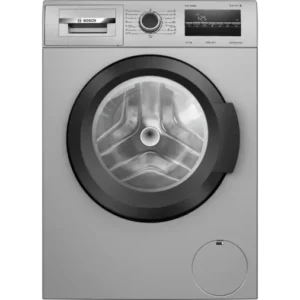 Series 2 Washing Machine, Front Loader 6.5 Kg 1200 Rpm
1 × ₹46,990.00
Series 2 Washing Machine, Front Loader 6.5 Kg 1200 Rpm
1 × ₹46,990.00
Subtotal: ₹46,990.00
Island chimney suction power refers to the chimney’s ability to remove smoke and fumes from your kitchen, measured in cubic metres per hour (m³/hr). For Indian kitchens, the ideal range is 1200–1500 m³/hr, depending on kitchen size and cooking style. Small kitchens need around 1000–1200 m³/hr, while large or open kitchens require 1400–1600 m³/hr. Explore a high-suction island chimney and read our detailed Island Chimney Buying Guide before choosing.
While many buyers compare an island chimney vs a wall-mounted chimney, suction power remains the most important factor for performance.
Suction power defines how much air a chimney can pull out in one hour. It is measured in m³/hr (cubic meters per hour).
In simple terms, higher m³/hr means faster smoke removal.
● The motor pulls in smoke and oil particles
● Air passes through filters or a separation chamber
● Clean air exits through the duct
The stronger the motor, the higher the suction.
Indian cooking includes frying, tadka, grilling, and heavy spices. That produces intense smoke and oil vapours. A low-suction chimney struggles to clear itself quickly.
Here’s a quick reference:
| Suction Power | Suitable For |
| 1000 m³/hr | Light cooking |
| 1200 m³/hr | Moderate cooking |
| 1500+ m³/hr | Heavy Indian cooking |
When debating an island chimney vs a wall chimney, remember this: island models usually need slightly higher suction because they lack side wall support.
Choosing the right suction depends on the kitchen size.
Recommended suction: 1000–1200 m³/hr
Recommended suction: 1200–1400 m³/hr
Recommended suction: 1400–1600 m³/hr
Explore suitable options here:
high suction island chimney
If you are uncertain about whether an island or wall-mounted chimney is more suitable, please begin by assessing your kitchen layout. Then decide the suction power accordingly.
You don’t need guesswork. Use a simple formula.
Kitchen Volume × 10–12 air changes per hour
1. Measure length, width, and height.
Example: 12 ft × 10 ft × 9 ft
2. Calculate volume:
12 × 10 × 9 = 1080 cubic ft
3. Multiply by 10–12 air cycles.
1080 × 10 = 10800 cubic ft/hr
Convert to the m³/hr equivalent range. That typically falls around 1200 m³/hr.
Open kitchens may need higher suction. This often becomes the deciding factor in the difference between an island chimney and a wall-mounted chimney.
Let’s compare clearly.
| Feature | 1200 m³/hr | 1500 m³/hr |
| Noise Level | Slightly lower | Slightly higher |
| Oil Handling | Moderate | Excellent |
| Indian Frying | Good | Very good |
| Ideal Usage | Medium kitchens | Large/open kitchens |
● Choose 1200 m³/hr for regular Indian cooking in medium kitchens.
● Choose 1500 m³/hr for heavy frying or open layouts.
Island models usually demand stronger suction compared to wall-mounted setups. That’s one key difference between an island chimney and a wall-mounted chimney.
Even the most powerful chimney won’t perform well if the installation is poor.
Shorter ducts improve airflow efficiency.
More bends reduce suction strength.
High-quality motors maintain consistent airflow.
Filterless models maintain stable suction over time.
The ideal height is 24–30 inches above the cooktop.
For deeper clarity, refer to this detailed island chimney buying guide.
Performance doesn’t depend on suction numbers alone. Design and installation matter equally.
When comparing an island chimney vs a wall-mounted chimney, suction becomes crucial.
Island chimneys sit in the middle of the kitchen. Smoke spreads in all directions. That demands higher suction.
Wall-mounted chimneys benefit from wall support. Smoke travels upward naturally along the wall.
That’s a major difference between an island chimney and a wall-mounted chimney.
If someone asks which chimney is better, island or wall-mounted, the answer depends on the layout and suction requirements.
Avoid these costly errors:
● Buying too low suction for heavy cooking
● Ignoring duct bends
● Choosing an oversized chimney for a small kitchen
● Ignoring noise levels
Higher suction sometimes means slightly more sound. However, modern motors manage noise effectively.
Balance power and comfort wisely.
Here’s a simple guide:
● Heavy cooking → 1400+ m³/hr
● Regular Indian cooking → 1200–1400 m³/hr
● Open kitchen → High suction model essential
Ready to upgrade?
Explore our range of high-suction island chimney models designed for Indian kitchens.
Choose smart. Cook freely. Keep your kitchen smoke-free.
When selecting your chimney, don’t just compare an island chimney vs a wall chimney. Focus on suction strength, kitchen size, and cooking intensity. That’s how you make the right investment.
Most Indian kitchens require a suction power between 1200 and 1500 m³/hr.
1400–1500 m³/hr works best for heavy frying and tadka.
It works for moderate cooking. For frequent frying, consider 1500 m³/hr.
Yes, especially for large or open kitchens.
Multiply kitchen volume by 10–12 air changes per hour.
Slightly, but modern chimneys control vibration efficiently.
At least 1400–1600 m³/hr.
Yes. Longer ducts and multiple bends reduce airflow efficiency.
Yes. Heavy Indian cooking demands stronger suction.
Typically, a modular kitchen requires a suction power of 1200-1500 m³/hr, which varies based on its size and layout.
