
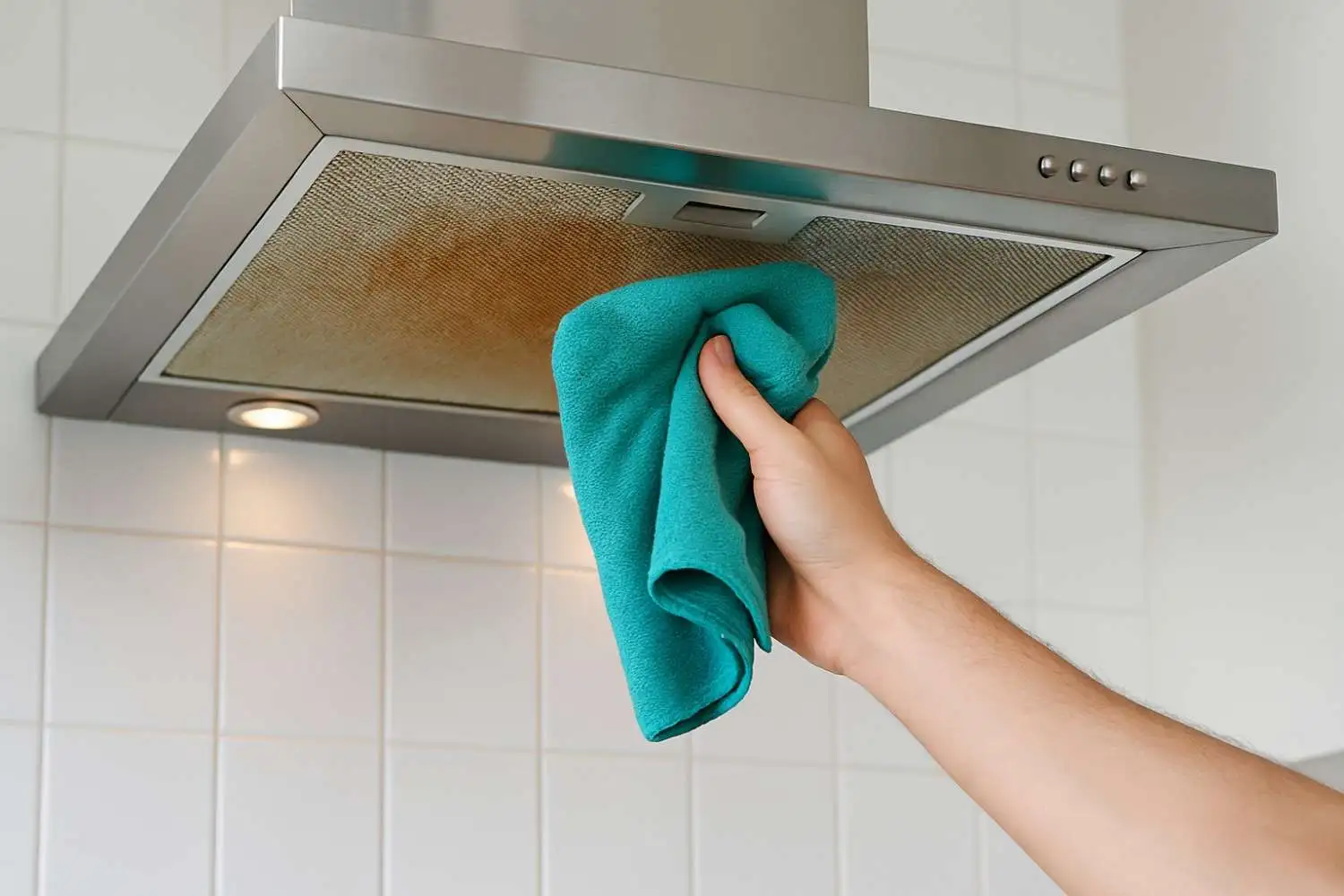
How to Clean and Maintain a Kitchen Chimney
Keeping your kitchen chimney maintenance up to date is not just a chore — it’s essential for hygiene, safety, and long-term performance. A clogged or greasy chimney can lose suction, produce bad odours, and shorten its lifespan.
Before we dive into chimney cleaning steps, let’s remember: your chimney is the lungs of your kitchen. It vents smoke, fumes, and oil particles, ensuring your cooking area stays fresh and clean. With regular chimney cleaning tips, you maintain performance, reduce fire risks, and extend your appliance’s life.
Here at Aditya Retail, we believe in helping you get the most out of your investment — that’s why this guide will walk you through how to clean, maintain, and care for your kitchen chimney.
“Keeping your kitchen chimney clean is essential for maintaining hygiene and ensuring smooth performance. Before learning how to clean it, it’s important to understand what a kitchen chimney is and why it plays a crucial role in keeping your kitchen smoke- and oil-free.”
Step-by-Step Guide: How to Clean a Kitchen Chimney
Here’s a structured, easy-to-follow routine. Use this every few weeks (depending on how much you cook) to maintain optimal performance.
1. Turn off the chimney and unplug it
Safety first. Always power off your chimney and unplug it from the mains before touching any internal parts or filters.
2. Remove the chimney filters
Depending on your model, you may have baffle filters, mesh filters, or carbon filters. Gently unclip or unscrew the filters and remove them from the hood. Don’t forget to also detach any aluminum oil collector tray if your model has one.
3. Soak filters in hot water with baking soda, vinegar, or detergent
Fill a basin or sink with hot water (not boiling). Add 1–2 tablespoons of baking soda or a few drops of dishwashing detergent. For extra cleaning power, add a splash of white vinegar. Submerge the filters and let them soak for 15 to 20 minutes. This helps loosen hardened grease.
4. Scrub filters gently to remove grease and oil
After soaking, use a soft brush or sponge to scrub the filters gently. Focus on greasy patches, edges, and corners. Be careful not to bend or damage the filter plates (especially for baffle filters). Rinse thoroughly under running water until the detergent or grease is washed off.
5. With pe chimney hood and exterior with a soft cloth
While the filters are soaking, take a soft microfiber cloth and dampen it with a gentle non-abrasive cleaner (or a mild soap solution). Wipe down the chimney’s exterior, touch panel, and the underside hood area. Make sure to clean corners, edges, and light covers. For stainless steel finishes, wiping in the direction of the grain helps avoid streaks.
6. Dry and reassemble filters before use
Let the cleaned filters air dry completely (or pat dry with a soft, lint-free cloth). Once fully dry, reinsert them carefully into their slots. Secure any clips or screws, replace the oil collector tray, and plug the chimney back in. Turn it on for a minute to check suction.
By following these steps, you’ll perform a proper cleaning without damaging components.
Maintenance Tips for Longer Chimney Life
To avoid performance dips and costly repairs, follow these ongoing maintenance practices:
- Clean filters every 3–4 weeks
If you cook often (heavy frying or use of oil), clean the filters more frequently. This prevents excessive grease buildup, which can reduce suction or cause smoke to linger.
- Deep clean every 3–6 months
In addition to your usual cleaning, do a more thorough check of inside ducting, chimney internals, and blower compartments. This is also a chance to inspect wiring, joints, and seals.
- Avoid harsh chemicals that damage surfaces
Strong acids, bleach, or aggressive scrubbing agents can scratch or corrode the chimney surface, filter metal, and coatings. Stick to mild detergents, baking soda, or vinegar for safe cleaning.
- Schedule professional servicing once a year
Even with good routine care, a professional technician can clean difficult-to-reach ducting, check motor bearings, and ensure your chimney runs optimally.
- Check suction power regularly
After cleaning and reassembly, test the suction by putting a sheet of paper at the hood inlet. If it gets pulled in firmly, your suction is good. If not, there might be clogged ducting or a weak motor.
- Replace filters/carbon cartridges when needed
Carbon (charcoal) filters can’t be cleaned fully — they lose efficiency over time. Replace them per your model’s recommendation. Some auto-clean or filterless chimneys minimize this issue, but you should still monitor performance.
- Keep the cooking hood underneath ventilated
Ensure your hood clearance and ducting designs allow smoke to travel freely. Avoid placing utensils or items that block the chimney’s intake path.
- Use blower mode smartly
Turn your chimney to high suction briefly while frying, then reduce it when cooking less smoky dishes. This reduces stress on the motor and parts.
Common Mistakes to Avoid
Even with good intent, people sometimes make errors that hurt their chimney. Avoid these:
- Using strong acids for cleaning
Harsh substances can eat away metal, damage finishes, and degrade filter integrity.
- Ignoring carbon filter replacement
Carbon filters degrade over time. Trying to clean them repeatedly doesn’t restore full function.
- Delaying service until the chimney stops working
Once parts start failing, repairs cost more. Regular upkeep prevents sudden failures.
- Rushing filter reassembly
Incorrectly placing filters or loosely fastening them can cause vibration, noise, or air leaks.
- Neglecting the ducting check
Clogged or kinked ducts reduce performance even if filters are spotlessly clean.
- Scrubbing too hard
Overzealous scrubbing can deform thin metal parts or damage coatings.
- Not drying filters fully
Reassembling wet filters can trap water, which affects performance and may corrode parts.
Conclusion
Maintaining a kitchen chimney maintenance schedule is simple if you follow a clear routine. Start with turning off and unplugging, remove and soak filters, scrub gently, clean the exterior, dry thoroughly, and reassemble.
Alongside those cleaning steps, keep up with periodic deep servicing, avoidance of harsh chemicals, and filter replacements. These chimney cleaning tips ensure optimal performance, hygiene, and longevity.
While you’re caring for your chimney, you might also browse our chimney categories — like Straight Line Chimneys, Decorative Chimney, Maxx Silence Chimney, and IoT Chimney — to check models that make cleaning easier or offer auto-clean technologies.
With the right care and a gentle touch, your chimney will keep your kitchen fresh, free of smoke, and performing at its best for years.
FAQs
How often should I clean a kitchen chimney?
Ideally every 3–4 weeks for the filters. A deep clean (including duct checks) every 3–6 months helps too.
What is the best way to clean chimney filters at home?
Use a hot water soak with baking soda or mild detergent, followed by gentle scrubbing. Avoid harsh chemicals or steel wool.
Can I clean a carbon filter myself?
Carbon (charcoal) filters are mostly non-washable — after time they lose adsorption ability. You’ll typically need to replace them as per manufacturer guidelines.
Is professional chimney servicing necessary?
Yes. Even with rigorous home maintenance, some components (ducting, motor, bearings) benefit from a professional’s deep cleaning and inspection.
Which natural ingredients remove grease from a chimney?
Baking soda and vinegar in hot water work very well. Dish soap with warm water also helps for general cleaning.
How do I maintain chimney suction power?
Keep filters clean, ensure ducting is clear, avoid blockages, and replace carbon filters when worn.
What is the easiest way to clean a baffle filter?
Soak in hot water + detergent, then gently scrub with a soft brush. Pay attention to grooves and slots.
How long does a kitchen chimney last with proper care?
With regular maintenance, a good-quality chimney can serve 10–15 years or more, depending on usage and parts durability.
